

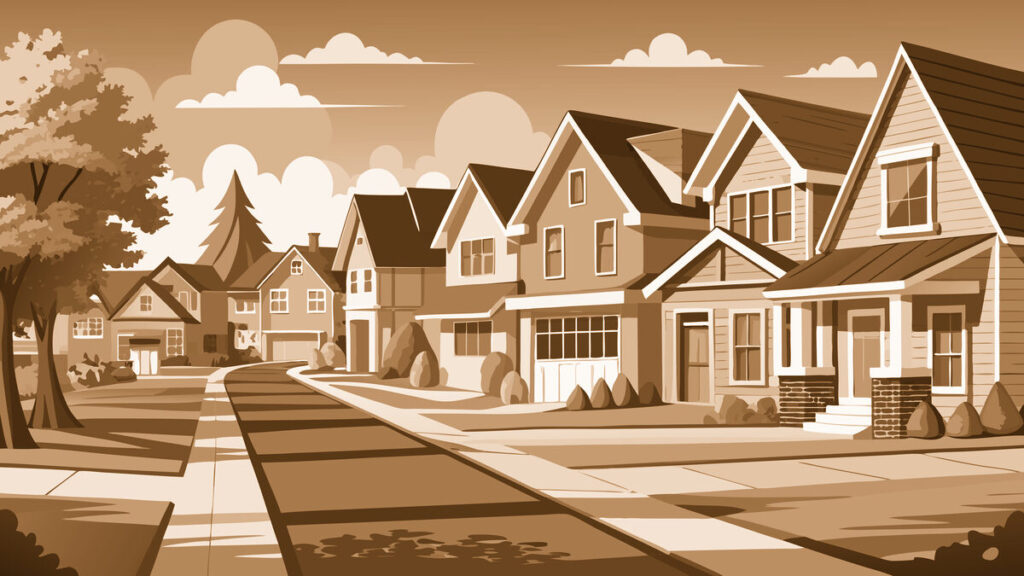
Nestled at the southeastern edge of Libby, Montana, Pioneer Junction weaves together the past and present like few neighborhoods can. For locals, it is much more than a crossroads—it’s a living testament to the community’s roots, its resilience, and its ongoing story. From its humble beginnings as a vital waypoint for early settlers to its role today as a beloved residential hub, Pioneer Junction embodies the warmth and fortitude that define Libby’s spirit.
The Origins of Pioneer Junction
The story of Pioneer Junction begins in the late 19th century, at a time when Libby itself was emerging as a key settlement along the lush Kootenai River valley. As the Great Northern Railway carved its way through northwestern Montana, it spurred growth and opportunity across Lincoln County. Early prospectors and settlers traveling along the river would converge at a key intersection—what is now known as Pioneer Junction.
The neighborhood’s name is more than a moniker: it honors the trailblazers who, armed with grit and hope, ventured into the wild country that would become Libby. These pioneers, searching for gold, timber, or simply a fresh start, found this junction to be a natural meeting point before journeying further into the mountains or settling along the riverbanks.
How Pioneer Junction Got Its Name
Unlike other areas that might owe their titles to landowners or distant officials, “Pioneer Junction” is a name forged from local tradition. It was at the intersection of what are now US Highway 2 and Pioneer Road that wagon trails, and later motorcars, would meet and diverge. For years, travelers would point to the spot and call it “the pioneer’s junction,” referencing the original settlers whose footprints marked every inch of these well-trodden paths.
By the time Libby began formalizing its neighborhoods in the early 1900s, the name was cemented in local lore. The junction remained a hub of activity—first for miners and loggers, and later as a gateway for families seeking a new life in Montana’s northernmost county.
Key Historical Milestones
The evolution of Pioneer Junction is marked by periods of growth, adaptation, and preservation:
- Early Settlement (1890s-1910s): Homesteads sprang up along the original trail, many built from locally milled timber. These modest cabins gradually gave rise to more permanent structures, some of which still stand along streets like Pioneer Road and Cedar Street.
- The Logging Boom (1920s-1950s): With Libby’s timber industry thriving, Pioneer Junction became a thoroughfare for loggers heading to and from the sawmills on the river. The echoes of this era can still be felt in the sturdy, craftsman-style homes prevalent along First and Second Streets.
- Community Development (1960s-1980s): The neighborhood saw the addition of key institutions, including the Pioneer Junction Elementary School and the expansion of Libby City Park, which borders the community to the west. These changes helped solidify the area’s reputation as a family-friendly enclave.
- Modern Revitalization (1990s-present): Today, Pioneer Junction is a thriving neighborhood known for its sense of togetherness. Recent decades have seen the restoration of vintage homes, improvements to local parks, and the celebration of annual community events honoring the area’s pioneering legacy.
Notable Landmarks and Buildings
Walking through Pioneer Junction offers a glimpse into Libby’s layered history. Some of its most enduring landmarks include:
- Pioneer Junction Schoolhouse: Built in 1934, this single-story stone building was a center of education for generations. Though it now serves as a community meeting hall, its original bell tower and WPA-era murals have been carefully preserved.
- Old Junction Store: Situated at the corner of Pioneer Road and First Street, this mercantile has operated under various names since 1918. Once a crucial stop for supplies and news, it remains a beloved neighborhood institution.
- Libby City Park (western edge): While technically bordering Pioneer Junction, the park’s picnic areas, walking paths, and historic bandstand are favorites of neighborhood residents.
- Historic Residences: Scattered throughout the neighborhood, particularly along Pine Avenue, these homes feature classic front porches, original woodwork, and overgrown lilacs that date back to the early settlers.
Streets, Parks, and Institutions
A stroll down Pioneer Road or a detour onto Cedar Street will reveal much of what makes this neighborhood special. The grid is peppered with mature pine trees, proud American flags, and tidy yards. You’ll find families out for evening walks, children riding bicycles past the former schoolhouse, and friendly greetings from porches both old and new.
- Pioneer Road acts as the backbone of the neighborhood, connecting residents to downtown Libby and the eastern woodlands.
- First and Second Streets display a mix of historic architecture and newer homes, reflecting the community’s careful balance between progress and preservation.
- Cedar Street is home to some of the neighborhood’s oldest trees and the site of the annual Pioneer Days picnic, a summer tradition since 1974.
How Pioneer Junction Has Evolved
Throughout the decades, the community has navigated changes while holding fast to its roots:
- During the timber heyday, life revolved around log trucks, mill whistles, and bustling yards. As the industry modernized, Pioneer Junction adapted, welcoming retirees, young families, and professionals seeking the slower pace and camaraderie offered here.
- The preservation of old landmarks, along with ongoing beautification efforts, signals a community that values its history as much as its future. Neighborhood association volunteers work tirelessly to maintain trails, organize seasonal festivals, and ensure that stories from Pioneer Junction’s storied past are handed down to new generations.
What truly makes Pioneer Junction a cornerstone of Libby life isn’t just its buildings or its history—it’s the sense of place and belonging that has flourished here for over a century. Whether you’re a newcomer or a descendant of one of those original pioneers, you’re part of the ongoing story that makes Pioneer Junction unique.
A Neighborhood with Heart
Today, Pioneer Junction stands as a vibrant patch of Libby—a neighborhood where past and present meet at every corner, where neighbors know each other by name, and where the pioneering spirit is alive in every community gathering. If you ever find yourself walking these historic streets, take a moment to appreciate the echoes of laughter from decades past, the sturdy architecture hewn from local timber, and the friendly wave from a neighbor who, like so many before, chose to make this special place home.